

Date: Jul 10, 2026
With inflation and rising grocery costs affecting households across Pakistan, every family is looking for smart ways to stretch their monthly budget. When trying to cut down on expenses, it is tempting to reach for the cheapest unbranded oil or low-grade loose vanaspati available in the market.
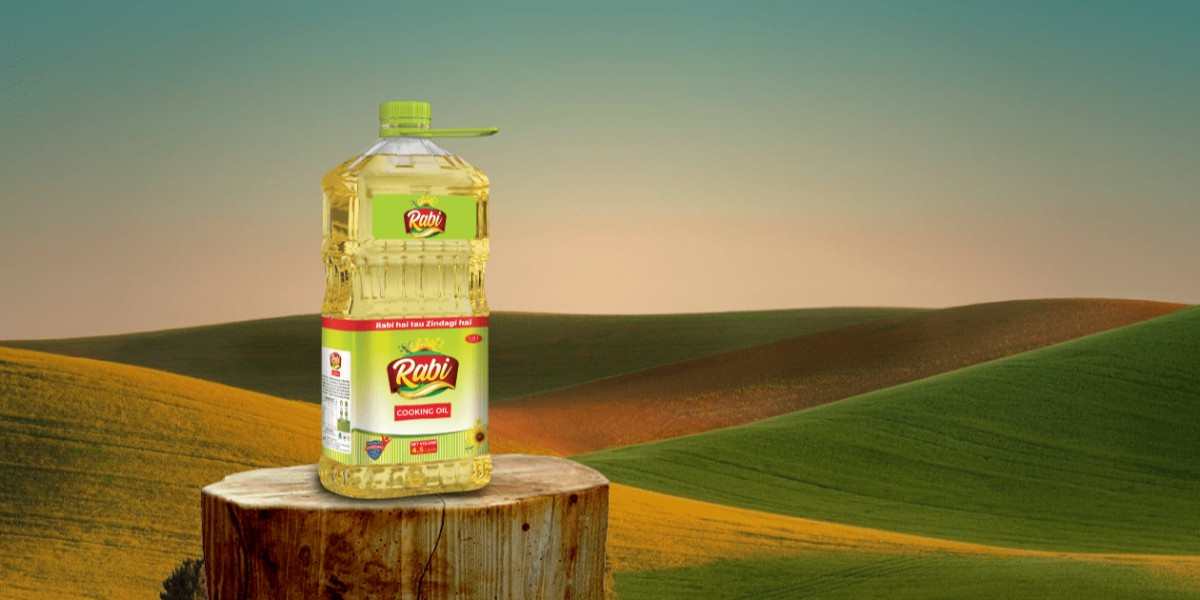
However, when it comes to cooking mediums, buying cheap can actually cost you significantly more in the long run. Choosing a high-quality, premium cooking oil is a hidden budgeting strategy that protects both your kitchen finances and your health. At Rabi Foods, we engineer products that offer maximum efficiency, proving that premium quality is always a smarter financial investment.
Cheap, unrefined, or poorly filtered cooking oils are often packed with moisture, wax, and free fatty acids. This low-quality composition leads to several hidden expenses that hit your wallet daily:
By investing in premium oil, you get a clean, stable product that lasts significantly longer in the pan, naturally lowering your monthly consumption volume.
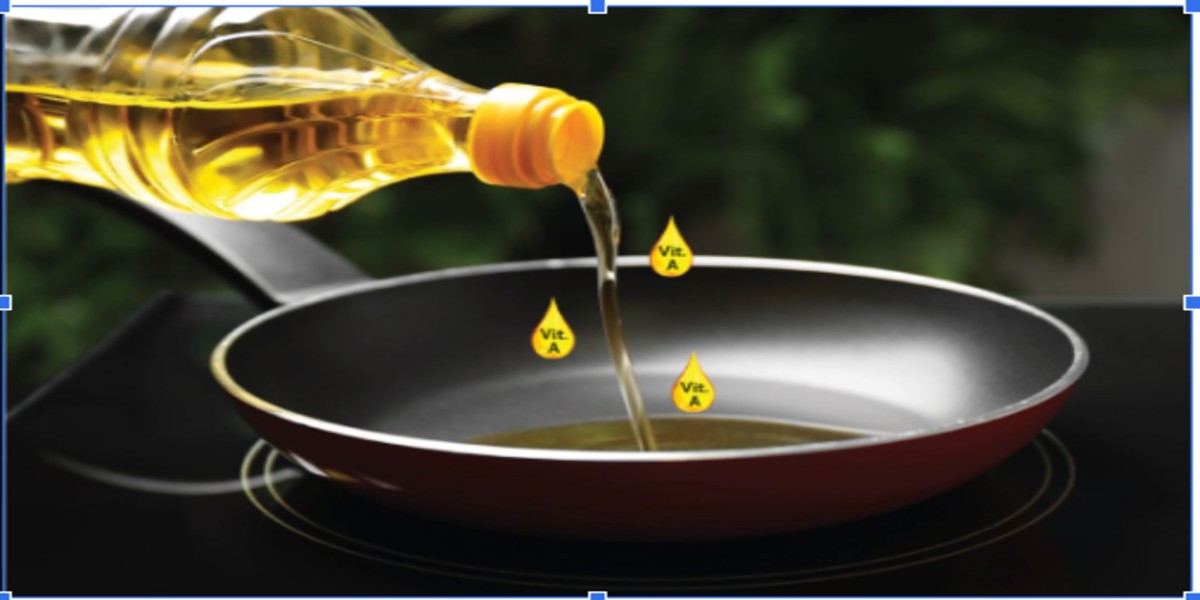
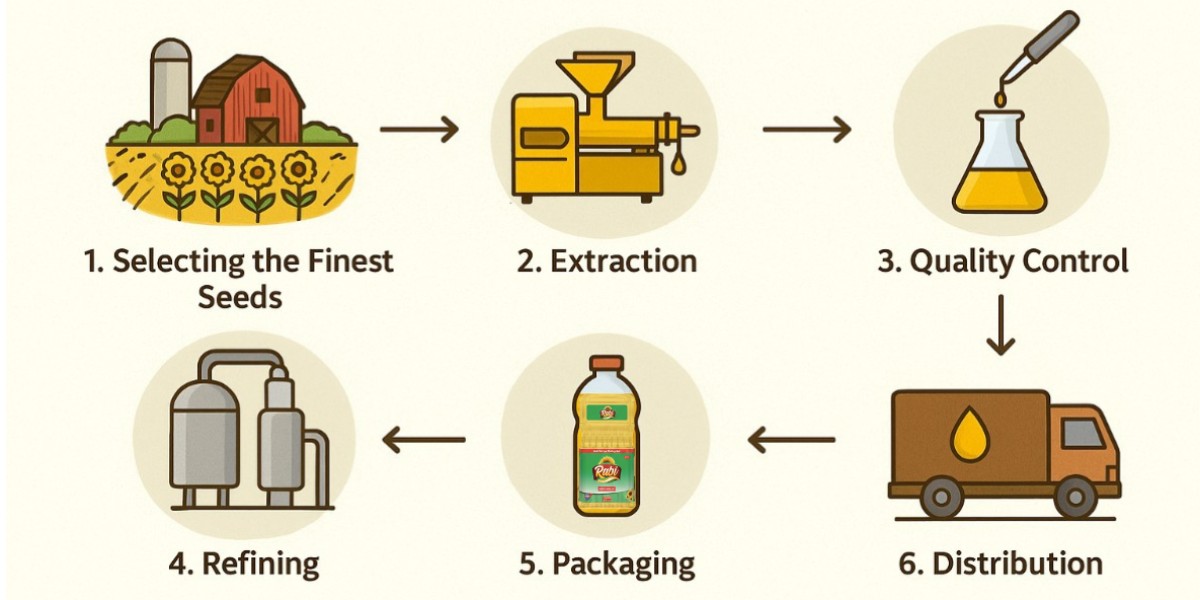
The reason premium oil performs so efficiently down to the last drop comes down to how it is made. High-quality oils undergo rigorous, multi-stage industrial filtration processes to eliminate raw impurities, extra moisture, and volatile compounds.
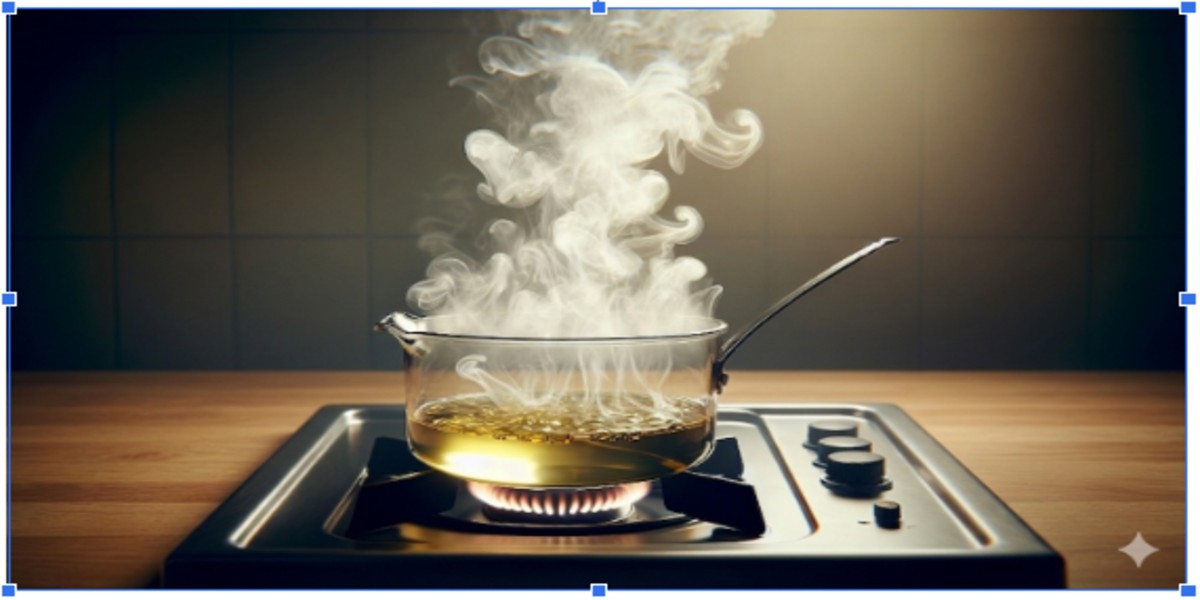
This meticulous manufacturing process ensures that the final oil has a high smoke point and stays stable under intense heat. Because the oil doesn't break down or degrade easily, you can reuse it safely for shallow frying or daily cooking without it turning into a thick, unusable sludge. To see how modern, hygienic refining methods create highly efficient kitchen staples, take a look at the state-of-the-art systems featured on our Rabi Technology page.
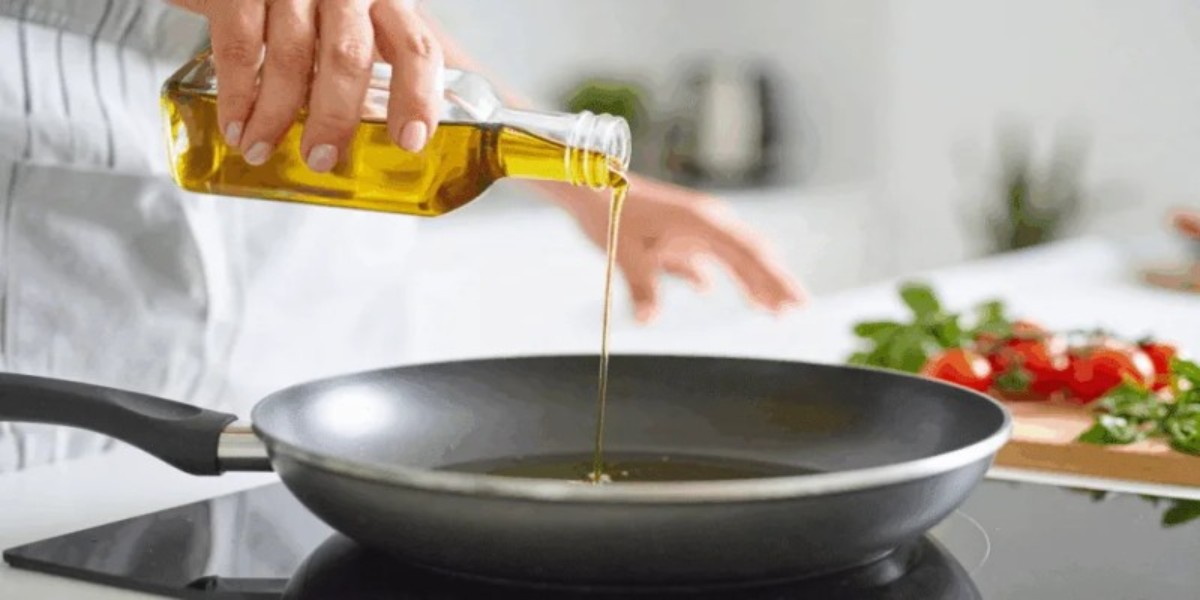
To truly understand how a cheap cooking medium drains your wallet, we have to look closely at the physics of cooking. Unbranded oil or loose ghee bought from local bazaars lacks the consistency found in premium products. When you pour it into a hot wok or handi, it immediately thins out excessively and begins to break apart at lower temperatures. Because it lacks structural stability under heat, it breaks down into harmful chemical compounds quickly, forcing you to discard it sooner.
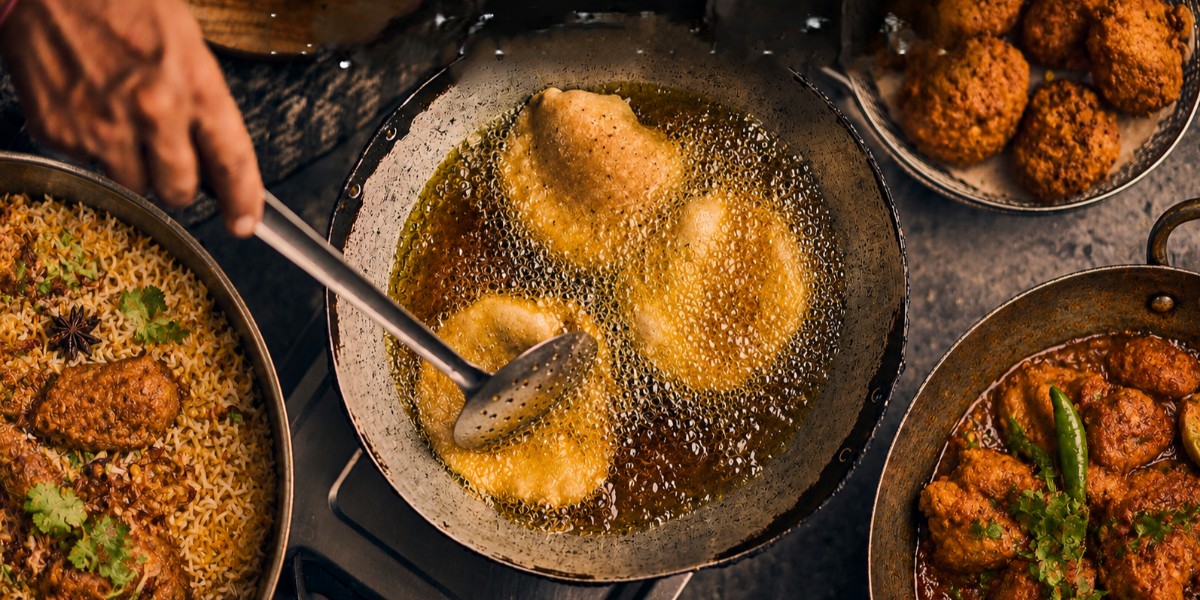
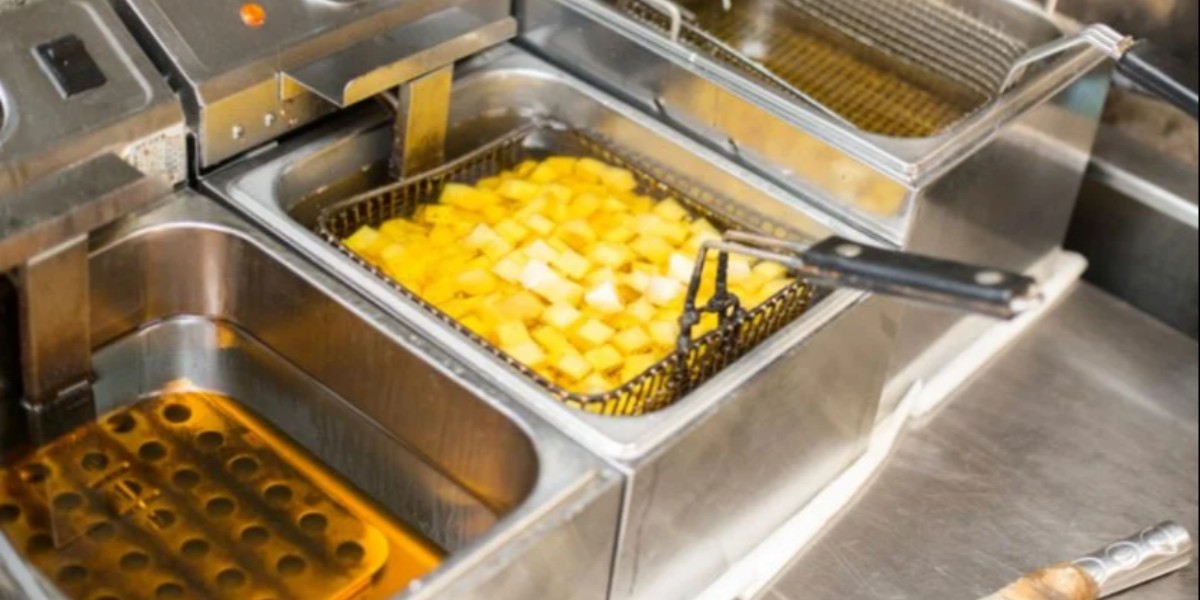
Furthermore, because these lower-grade oils contain higher percentages of water and volatile impurities, they actively create a barrier that prevents food from crisping up quickly. Instead of sealing the outside of a frying samosa or pakora, the low-quality medium seeps straight into the core of the food. When food acts like a sponge for grease, you are not just eating unhealthier meals—you are literally swallowing your grocery budget. A single liter of premium oil can easily outlast two liters of low-grade loose oil simply because it stays inside the pan rather than being absorbed into the dish.
The most significant financial benefit of choosing high-quality cooking oil isn't found in the kitchen it's found in your medical bills. Low-grade loose oils and unverified fats are often contaminated or high in dangerous trans fats that rapidly elevate bad cholesterol, blood pressure, and arterial plaque buildup.
Treating chronic health conditions like cardiovascular disease or diabetes is incredibly expensive. Spending a few extra rupees on a trusted, double-refined plant oil today acts as a long-term shield against massive healthcare and hospital expenses tomorrow. To explore a range of pure, health-first dietary options that safeguard your family’s well-being, browse our official Rabi Foods Products catalog.
Let us look at a simple, realistic example to see how the math works in favor of premium choices over six months. Imagine a standard Pakistani household of five people. If this family buys cheap, unbranded loose oil, they might save a few hundred rupees at the cash counter initially. However, because that oil burns off quickly and absorbs heavily into daily parathas and curries, the family ends up consuming around 12 to 14 liters of oil per month.
Now, switch that same family to a high-quality, double-refined premium oil. Because the oil features a high smoke point and resists heavy absorption, the family’s cooking efficiency shoots upward. They only need 8 to 10 liters to cook the exact same number of meals. Over a few months, the reduction in total volume consumed completely offsets the slightly higher price tag of the premium brand. When you calculate fewer bottles purchased alongside a dramatic reduction in health risks, the premium option becomes the only choice that makes sense for a budget-conscious home cook.
Smart budgeting isn't just about what you buy; it's about how you use it. When you have a premium cooking oil that naturally resists burning and absorption, you can pair it with smart kitchen techniques like utilizing an oil sprayer or mastering the art of a quick tarka to make your bottle last twice as long.
Learning to cook efficiently with high-quality ingredients allows you to cut your oil budget without compromising on the authentic flavor of your meals. For a collection of budget-conscious, delicious, and healthy recipes designed to feed your family perfectly, visit the Rabi Kitchen portal.
To make sure your premium oil goes even further, consider integrating these highly effective household habits into your daily cooking routine:
When planning your monthly grocery list, remember that true saving is about value, not just the lowest price tag. A cheap oil bottle runs out quickly, ruins the taste of your hard work, and puts your family's health at risk. On the other hand, a high-quality cooking oil goes a long way in the pan, reduces daily consumption, and keeps your family out of the doctor's office. Make the smart financial choice for your home by investing in purity